
Not all UX design serves the user's best interest. Dark patterns like hidden costs, forced continuity, confirmshaming, and disguised ads manipulate users into actions they never intended. These deceptive practices create particular harm for people relying on assistive technologies or navigating cognitive, visual, or motor challenges.
This session begins with a brief introduction to UX design, then explores common dark patterns including misdirection, roach motel designs, sneak-into-basket tactics, false scarcity, and price comparison prevention. The session will also look into how these patterns create additional barriers for users with disabilities, from deceptive consent flows that confound screen readers to confusing hierarchies that trap keyboard users. The session will go over practical strategies for avoiding dark patterns, with specific guidance on how designers can ensure accessibility throughout their work. Through real-world examples, we'll contrast harmful practices with ethical alternatives that prioritize clarity, consent, and trust.
By the end, participants will have actionable strategies to identify dark patterns, understand their disproportionate impact on users with disabilities, and create transparent, equitable experiences that work for everyone.
Prerequisites
N/A

Shamita Rao

Alina Faisal
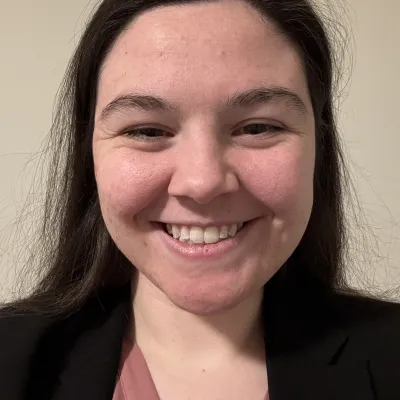
Lindsey Forche
Michael Hess
Michael Hess works with the University of Michigan School of Information and the U-M Medical Center, teaching three courses on content management platforms and overseeing the functionality of hundreds of campus websites. He serves in a consulting and development role for many other university departments. He also consults with BlueCross on large scale medical research projects. Hess is a graduate of the University of Michigan School of Information, with a master's degree in information.
Time Slot
12:00pm to 12:45pm (3/13/26)
Room
A10
Session Category
Theming, Design, & Usability
Who Should Attend
Designers
Front-end Developers
Site Builders